 how-to
7 Bathroom Remodel Plumbing Cost Transparency Tips
Last Updated: November 6, 2026
Quick Summary
Plumbing cost transparency means showing every labor hour, material, permit, and fixture allowance in writing before work starts, so a guess becomes a plan. Demand itemized line items with unit prices, quantities, and stated scope boundaries instead of one lump sum. Compare bids line by line on the same scope sheet, not by the bottom number.
- The average bathroom remodel runs $12,061, while the median sits far lower at $7,800.
- A $400 faucet allowance can cost you $300 more if the chosen faucet lists at $700.
- Keep the toilet and tub where they sit unless the layout truly fails you.
- A verified change order shows the reason, added labor, added material, and signed approval before work continues.
- Release the rough-in payment only after the inspection passes and related change orders are signed.
Table of Contents
- Why Plumbing Cost Transparency Decides Your Remodel Budget
- What a Transparent Bathroom Remodel Plumbing Estimate Includes
- The Cost to Move Plumbing in a Bathroom, Broken Down
- How Plumbing Change Order Costs Get Verified
- Small Bathroom Remodel Plumbing Cost: Where the Money Goes
- Get a Free Estimate Before the First Wall Comes Down
- Frequently Asked Questions
Why Plumbing Cost Transparency Decides Your Remodel Budget
The average bathroom remodel runs $12,061, according to the Home Improvement Research Institute's 2025 Project Decision Study.
At Resolution Plumbing, we believe transparent pricing matters. A single line like "plumbing work" can hide costs that surprise homeowners later.
Most guides quote whole-project ranges and skip the plumbing line items that decide your budget. For broader budgeting context, see our bathroom remodel guidance.
Plumbing cost transparency is the practice of showing every labor hour, material, permit, and fixture allowance in writing before work starts.
What a Transparent Bathroom Remodel Plumbing Estimate Includes
A transparent bathroom remodel plumbing estimate lists labor, materials, permits, and fixtures as separate line items with unit prices, quantities, and a stated scope boundary. Nothing hides behind a lump sum, and every exclusion is stated.
Ask for these before you sign anything.
Line Items to Demand in Every Quote
- Labor hours at a stated hourly rate, broken out per task (rough-in, fixture set, final connections)
- Pipe materials by type and measured length (PEX or copper), with fittings counted separately
- Fixture allowance with a dollar cap and a named brand or model tier

What an Itemized Plumbing Estimate Looks Like
A useful estimate reads like a work order, not a summary. A typical line-item structure for a mid-scope bathroom plumbing job:
- Demolition and protection: remove existing fixture, cap lines, protect adjacent finishes, priced by task or hour
- Rough-in labor: drain and water line rough-in, priced per fixture and per linear foot of run
- Pipe and fittings: PEX or copper by the foot, plus elbows, tees, and transition fittings
When a quote collapses all of that into "plumbing work, $4,500," you cannot tell whether restoration, permit fees, or the pressure test are inside the number. That ambiguity is where overruns are born.
Allowances and Exclusions: The Two Lines That Cause Overruns
An allowance is a placeholder dollar amount for a fixture or finish not yet selected.
Exclusions are the mirror image. Common ones include drywall and tile repair after pipe work, debris disposal, moving or protecting stored items, mold remediation, and code upgrades triggered by the new work.
Watch out: an estimate that lists a fixture allowance but never states whether trim, valve, and supply lines are included is quoting two different jobs depending on who reads it.
How to Compare Two Bids on the Same Scope
Comparing bottom-line numbers is the fastest way to pick the wrong plumber. Compare line by line instead:
- Normalize the scope. Write one scope sheet, fixtures kept or moved, tile replaced or preserved, permit pulled or not, and send the same sheet to every bidder.
- Match line to line. Put each bid beside the scope sheet and mark every line as included, excluded, or unclear.
- Check quantities and units. A bid quoting pipe by the "job" instead of by the foot cannot be compared to one that quotes by the foot.
- Compare labor rates, not totals. A lower total often means a shorter labor estimate, not a cheaper rate.
- Price the exclusions. Ask each bidder to quote the excluded items as add-alternates so you can see the real spread.
- Confirm the allowance basis. Make sure every bidder uses the same fixture allowance and the same brand tier.
A bid that survives that comparison is transparent. A bid that cannot be lined up against the others is a lump sum wearing a breakdown.
For a closer look at how fixtures drive your quote, see our toilets, faucets, and sinks service page.
A transparent estimate breaks the job into verifiable line items rather than one lump sum.
| Line item | What it should state |
|---|---|
| Labor hours | Stated hourly rate, broken out per task |
| Pipe materials | Type and measured length, fittings counted separately |
| Fixture allowance | Dollar cap and named brand or model tier |
| Permit fees | Listed separately from labor |
| Rough-in scope | Drain, water supply, and venting spelled out |
| Demolition and haul-away | Priced by task or hour |
| Restoration | Wall, floor, and tile stated as included or excluded |
| Contingency | Stated percentage for hidden damage |
The Cost to Move Plumbing in a Bathroom, Broken Down
The cost to move plumbing in a bathroom depends on distance, wall access, and whether drains or supply lines shift.
Keeping fixtures in place protects your budget. Relocating a drain means cutting into the floor structure, and that is where costs climb.
What drives the number:
- Drain relocation: the most expensive move, since drain lines need slope
- Water line moves: cheaper, because PEX piping bends around obstacles
- Toilet relocation: needs a new rough-in and often a floor patch
Small bathroom remodel plumbing cost climbs fastest when drains move. A 2026 guide from USA Cabinet Store reports small bathroom remodel costs up 4% to 6%, citing tariffs and labor shortages.
Our advice: keep the toilet and tub where they sit unless the layout truly fails you.
How Plumbing Change Order Costs Get Verified
Plumbing change order costs are the extra charges added when work differs from the original quote. A verified change order shows the reason, the added labor, the added material, and a signed approval before work continues, tied to a documented condition, not a verbal claim.
Most remodel budget blowups start here. Hidden damage behind a wall is common, and the fix must be priced, not guessed.
Document the Concealed Condition First
A change order without evidence is an opinion. Before any added work is priced, the condition should be documented:
- Photos before and after opening the wall or floor, with a date and a reference to the room and wall
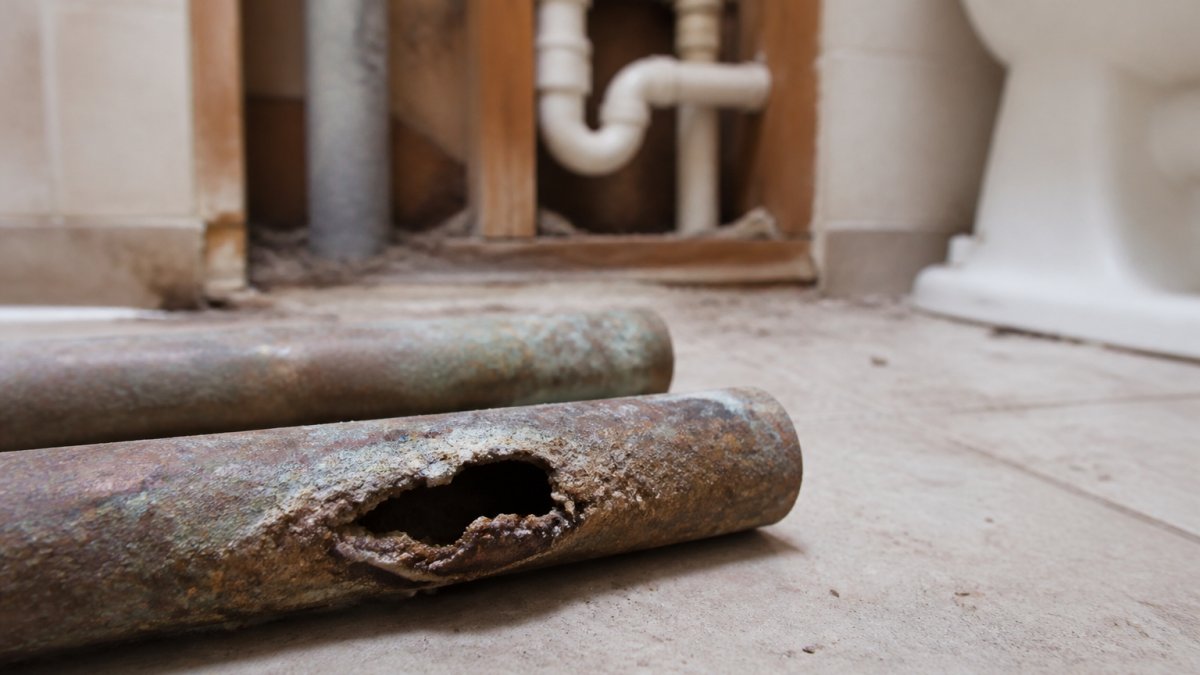
- A short written description of what was found (corroded drain line, undersized supply, no vent, water damage)
- The location tied to the plan, so the same condition cannot be billed twice
Ask one blunt question: "Is this repair required by building codes, or optional?" Required fixes are not negotiable. Optional upgrades are your call.
Assess the Added Labor and Materials
A verified change order prices the work the same way the original estimate did, by task, by unit, and by rate. The line items to expect:
- Added labor hours at the rate stated in the original contract, broken out by task
- Added materials by type and quantity (pipe by the foot, fittings by count, fixtures by model)
- Added permit or inspection fees, if the change triggers one
If the original estimate quoted labor at an hourly rate, the change order should use the same rate. A new, higher rate mid-project deserves a written explanation.
Watch out: a change order that prices added work as a single lump sum, no hours, no materials, no credit for removed scope, cannot be verified and should not be signed as written.
Approve Before Work Proceeds
Approval is a sequence, not a signature at the end:
- Receive the written change order with the reason, photos, line items, and revised timeline.
- Compare it to the original scope to confirm the work is genuinely outside the contract, not a repackaged original line.
- Ask for the credit if the change removes work the original quote included.
- Sign and date the change order before work resumes, and keep a copy.
- Confirm the revised total in writing so the running budget stays accurate.
A common mistake is approving a verbal change. Get it in writing, every time.
Tie Change Orders to Inspection and Payment Milestones
Change orders are easier to verify when payments are tied to completed, inspected stages rather than to calendar dates. A practical sequence:
- Rough-in inspection: the plumbing rough-in is inspected before walls close; any change order affecting rough-in should be approved and documented before this inspection.
- Progress payment at rough-in: release the rough-in payment only after the inspection passes and the change orders affecting it are signed.
- Final testing and trim-out: pressure test and leak check before final payment; confirm all change orders are closed and credited.
That sequence keeps the budget honest and the project moving, because the plumber knows when the next payment is released and the homeowner knows what has to be verified first.
Small Bathroom Remodel Plumbing Cost: Where the Money Goes
Small bathroom remodel plumbing cost concentrates in three places: rough-in plumbing, fixture installation, and permits. Compact rooms do not shrink plumbing labor much, because pipe runs still need the same connections.
The numbers shift by scope. A 2026 cost guide from Build With Inspiration puts most midrange full renovations near $10,000 to $25,000.
Where your money lands:
- Rough-in plumbing: drain lines, water supply, and venting
- Fixture installation: toilet, sink, shower valve, and faucet
- Pipe replacement: new PEX or copper where old lines fail
Water-efficient fixtures can trim long-term costs. WaterSense-qualified fixtures use less water per flush or per minute, which matters in a hard-water market.
For more on where remodel money goes, read our bathroom upgrade guidance.
Get a Free Estimate Before the First Wall Comes Down
Demolition is the point of no return.
Start with a written, itemized estimate and a clear project scope. Compare at least two bids line by line, not by the bottom number.
Resolution Plumbing is family-owned, fully licensed and insured (License #0086893), and offers upfront pricing with no hidden fees.
Ready to plan your remodel with real numbers? Request your bathroom remodel estimate or contact our team to schedule a free estimate.
Frequently Asked Questions
What plumbing costs should a bathroom remodel estimate include?
A complete estimate should list labor, material costs for pipe and fittings, plumbing fixtures or a fixture allowance, permit fees, rough-in plumbing, and demolition of old lines. It should also name exclusions, such as drywall repair or tile work, so you know what the plumber is not covering. Ask for the total in writing before work starts.
How do I compare plumbing estimates for a bathroom remodel?
Compare line by line, not by the bottom number. Check that each bid covers the same scope: same fixtures, same pipe material (PEX or copper), same permit responsibility, and the same allowance amounts. A lower total often means a smaller fixture allowance or work listed as an exclusion. Put the bids side by side and confirm the scope matches before you judge price.
Why can plumbing costs increase during a bathroom renovation?
Hidden damage is the main cause. Opening a wall can reveal corroded pipe, water damage, or framing that will not support a new drain line, and building codes may require upgrades once the work is exposed. Change order costs should be priced in writing before the extra work begins.
Should a bathroom remodel plumbing estimate include permits and materials?
Yes. Permit fees and inspection costs belong in the written estimate, and so do materials such as pipe and fittings. If a quote says permits are the homeowner's responsibility, confirm who pulls the permit and who pays the inspection fee. Missing either item turns into a surprise charge later.
Your remodel budget deserves numbers you can trust, not a lump sum that hides surprises. Resolution Plumbing brings upfront pricing, itemized quotes, and licensed plumbers who explain every line before demolition starts. Get started with Resolution Plumbing and remodel with a quote you can actually read.